
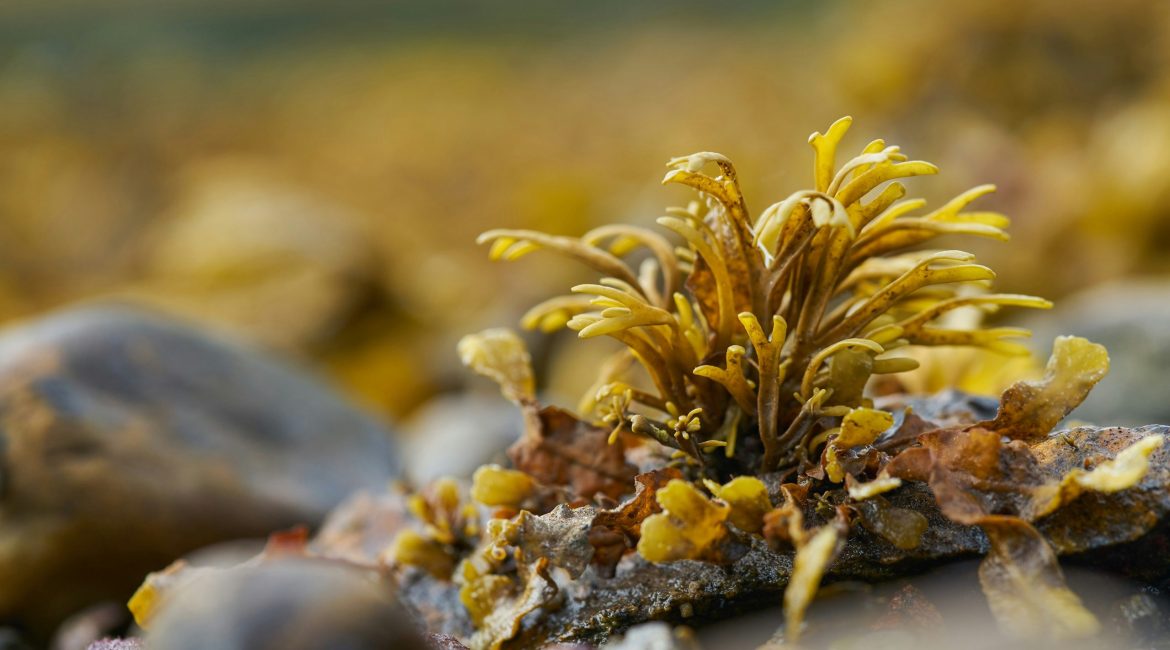
Sea moss has quickly become a beloved ingredient and health supplement. Packed full of minerals, vitamins, polyunsaturates fats and iodine for supporting thyroid function and metabolic balance, sea moss provides many essential elements to maintain good health and to increase thyroid performance.
However, as with any food or dietary supplement, there may be potential side effects.
Carrageenan
Carrageenan, an organic substance derived from seaweed, can be used as an effective food thickener. Studies have also demonstrated its beneficial effects in terms of cholesterol levels and blood sugar spikes. Furthermore, its high fiber content makes you feel full and reduces overeating risks; moreover it’s packed full of essential minerals like calcium, potassium, magnesium, and iron!
Though sea moss may provide benefits, it’s wise to consult your healthcare provider prior to adding any new foods or supplements into your diet – especially if you have preexisting conditions or medications you are currently taking – in order to receive tailored advice that ensures it’s safe.
Chondrus crispus, more commonly known as sea moss, is an edible red seaweed abundant in vitamins and minerals such as iodine, potassium, calcium, magnesium, zinc and iron. As well as being an effective natural food thickener it’s often credited with improving digestive health as well.
Iodine
Sea moss is packed with essential vitamins and nutrients, such as calcium, iodine, magnesium, potassium, iron and omega 3 fatty acids. Furthermore, it contains antioxidants which reduce inflammation to help protect against chronic illnesses like diabetes, heart disease and arthritis.
Another benefit of seaweed is its soluble fiber content, which may help with weight loss by making people feel full. Similar to chia seeds or aloe vera in this regard.
Be careful when adding sea moss to your diet if you have thyroid issues; its high iodine content could potentially cause goiter or an enlarged thyroid gland, so seek medical advice first before adding sea moss into your daily regimen. Also avoid it if you are allergic to shellfish; those on blood thinners or with inflammatory bowel disease; start small and gradually increase consumption over time; for best results purchase from reliable sources that adhere to stringent quality standards such as the United State Pharmacopeia (USP), National Science Foundation (NSF), or UL Empowering Trust stamp.
Allergic reactions
Sea moss is harvested as a natural thickening agent and used in products like ice cream, cottage cheese, nondairy milk, baby formula and health supplements. Packed full of minerals and vitamins such as immune-boosting vitamin C as well as antioxidants it absorbs pollutants and heavy metals from its environment; people allergic to seafood proteins can safely consume sea moss as it does not contain fish proteins.
Sea moss’ high concentrations of omega 3 oils, chlorophyll and potassium make it an effective natural antihistamine that can aid in respiratory allergies. These nutrients work to dissolve phlegm buildup in lungs and improve breathing capacity, alleviating symptoms like sneezing, watery eyes and congestion while soothing inflammation from asthma or chronic obstructive pulmonary disease (COPD). Furthermore, some research indicates that eating sea moss could potentially prevent salmonella spreading within humans – however more research must be conducted into this possibility before definitive results can be confirmed.
Digestive discomfort
Although sea moss is widely touted for its nutritional benefits, indulging too heavily could have adverse side effects. Too much sea moss may lead to an excess of iodine that could adversely impact thyroid function as well as interfere with medications that work against blood thinning – individuals with preexisting thyroid conditions should consult a healthcare provider prior to taking sea moss supplements.
Consuming sea moss may cause gas and bloating, though this should subside once your body adjusts to eating it. People new to eating it should start slowly by starting with small amounts and gradually increasing their consumption over time.
Although there is not a lot of scientific evidence supporting sea moss’ health benefits, many claim it aids weight loss, heart health and digestion. Unfortunately, most research on sea moss’ medicinal uses involves test tubes or animals only; more human trials must be conducted on this topic in order to make solid conclusions. Furthermore, sea moss can contain heavy metals; therefore only use high-quality products when purchasing sea moss supplements.