
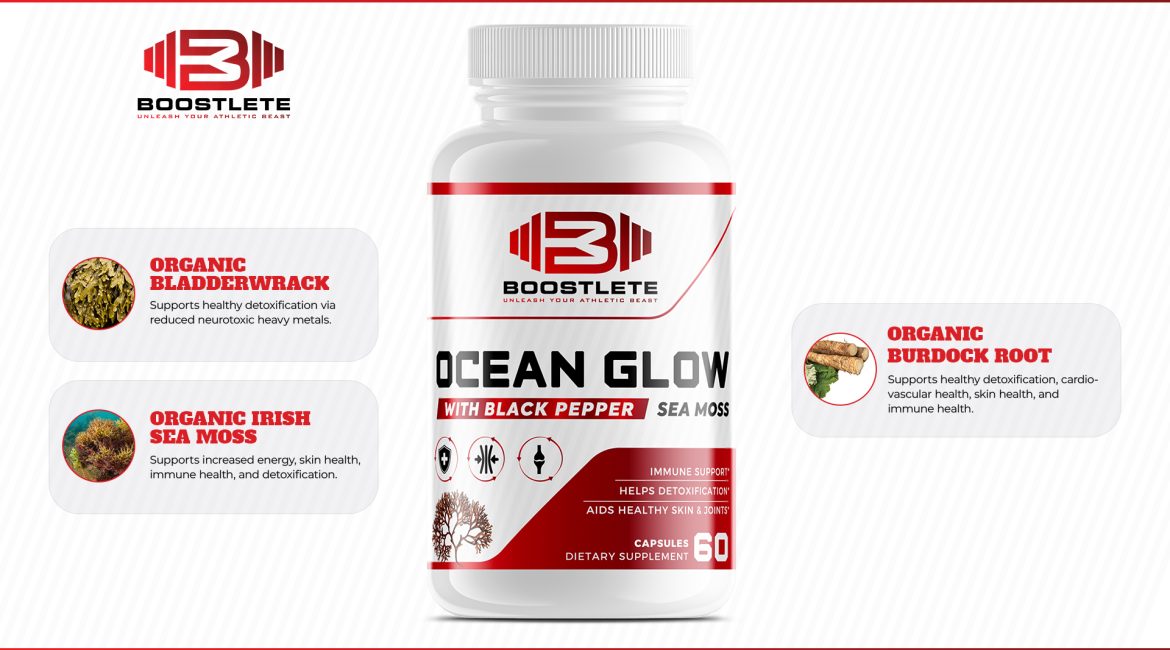
Chondrus crispus, more commonly known as sea moss or Irish moss, has become increasingly prominent thanks to Kim K and Hailey Baldwin. For thousands of years it has been used both as food and medicine.
Since iodine is essential to healthy thyroid function and metabolism regulation, as well as iron and magnesium content, incorporating this nutrient-rich ingredient into smoothies, soups and salad dressings will add extra nutrition.
Iodine
Irish sea moss (Chopendrus crispus) provides your body with 92 of the 102 minerals it needs for optimal health, including essential iodine for thyroid functioning. Too much iodine may lead to thyroid dysfunction; excess exposure could prove particularly hazardous in people who already suffer from preexisting thyroid conditions according to National Institutes of Health research.
Start slowly when adding sea moss to your diet; excess consumption may lead to digestive discomfort such as bloating and gas.
Organic sea moss must be grown without chemicals or pesticides for best results, and its label should state as much. Furthermore, be wary of supplements containing additional nutrients like calcium or magnesium in addition to sea moss; otherwise you risk allergic reactions due to one of those components.
Heavy metals
Sea moss is a nutritional powerhouse, boasting everything from iodine for thyroid health and nerve function to potassium to promote muscle and nerve health, folate for DNA synthesis and calcium, magnesium, iron and amino acids – not forgetting its medicinal uses!
Evidence indicates that eating sea moss may help ease musculoskeletal pain. Furthermore, eating sea moss has also been shown to reduce tremors and stiffness associated with Parkinson’s disease; however more research needs to be completed before definitive conclusions can be drawn.
Though uncommon, eating sea moss may cause serious side effects including iodine poisoning and heavy metal exposure in polluted waters where it grows. To minimise risks associated with its consumption, select high-quality sea moss from trusted suppliers and opt for third-party testing of all samples before consumption.
Allergies
Sea moss can be an ingredient found in numerous skin care and supplement products. While sea moss may cause only minor to severe side effects in some people, its use may produce digestive issues like bloating or diarrhea as well as skin reactions such as rash, itching or wheezing; severe reactions require medical intervention immediately.
Since sea moss is unregulated by the FDA, it’s essential that you choose a quality product. Look for label with United States Pharmacopeia (USP), National Science Foundation (NSF), or UL Empowering Trust mark indicating third party testing for safety and purity of product.
Sea moss may help reduce allergies by balancing your immune system, helping to prevent an overreaction to food allergens and offering natural antihistamine effects. Unfortunately, however, people with seafood allergies or shellfish sensitivities should not consume sea moss supplements.
Preparation
Sea moss is prized for its thickening properties, and many commercial foods contain this ingredient either in powdered form or pill form. Furthermore, it boasts immunity-enhancing vitamins and minerals along with anti-inflammatory compounds. (2)
As eating too much sea moss can cause digestive discomfort, it is wise to start out slowly and increase your servings over time. This will enable your body to adjust and reduce chances of side effects like bloating or gas.
As an essential ingredient for gel manufacturing, sea moss must come from responsible sources. Polluted waters may contain heavy metals like mercury, arsenic, and lead, so to ensure you receive only high-grade material it’s important to check labels for an United State Pharmacopeia (USP), National Science Foundation or UL Empowerment Trust stamp as these stamps indicate third parties tested it for contamination – this way you know you’re getting only premium grade sea moss available.