
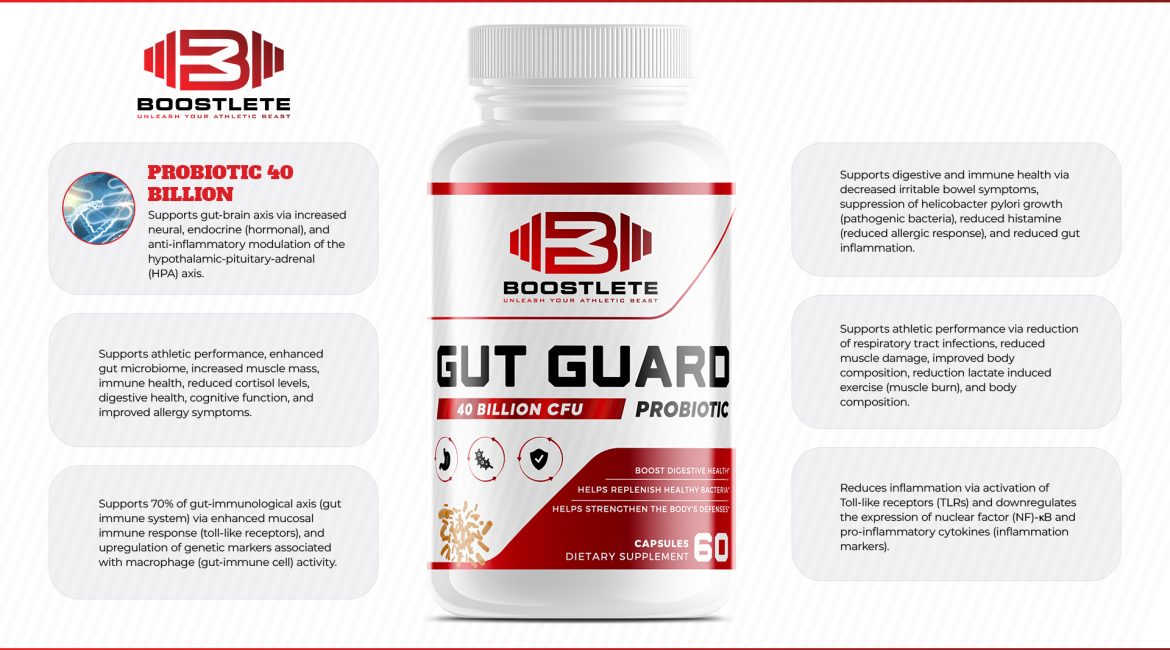
Fermented foods contain probiotic bacteria naturally. Their labels typically display the number of live organisms called colony forming units (CFUs).
Supplements and other products designed to promote gut health may also include probiotics. They should help alleviate diarrhea, constipation and stomach discomfort.
How do probiotics work?
Your gut microbiome refers to the bacteria living within your digestive tract. These beneficial organisms aid digestion, nutrient absorption and your immune system – yet certain lifestyle choices like eating too much processed food and taking antibiotics may alter this balance – leading to digestive discomfort, irregular bowel movement and more frequent illness.
Probiotics can help relieve or prevent digestive symptoms like diarrhea, bloating and IBS by increasing nutrient absorption and improving colon and ileum health. They may also aid in cases such as antibiotic-associated diarrhea, eczema and pregnancy nausea.
Studies suggest that certain probiotics may protect against tooth decay by reducing plaque (a buildup of harmful bacteria on teeth). Furthermore, certain probiotics have also been shown to lower cancer risks by inhibiting tumor growth and decreasing angiogenesis activity.
What are the health benefits of probiotics?
Probiotic bacteria are essential in supporting digestion by helping absorb certain nutrients, boost your immune system and producing enzymes to aid with digestion. They are present in human bodies naturally in areas like mouth, skin, gut, intestines, vagina and urinary tract – you can find probiotics there too! You can access probiotics by eating fermented foods like yogurts with live cultures; kefir; aged cheeses; tempeh; miso; or taking dietary supplements available as capsules, liquids or powders.
Studies of probiotics demonstrate their benefits by helping prevent infectious diarrhea, reduce antibiotic-associated diarrhea and alleviate other types of digestive upset including constipation, IBS, abdominal pain and bloating. They may even help combat chronic bacterial infections like H. pylori, nonalcoholic fatty liver disease and ulcerative colitis.
Probiotics may provide additional protection from coronavirus infections by delaying symptoms associated with “cytokine storm,” caused by COVID-19 (the pathogen previously known as SARS-CoV-2). Studies also suggest probiotics can moderately relieve symptoms associated with irritable bowel syndrome in certain people (65).
What are the risks of taking probiotics?
Probiotics have a longstanding record of safe use among healthy individuals. But additional high-quality research is necessary to understand how they may work for conditions like mental health, IBS and vaginal infections – and to be aware that effects vary between strains or brands.
Probiotics may cause mild side effects in the initial days after starting to take them, particularly as your gut bacteria balance is resettled and restored. Most commonly these include stomach-related symptoms like gas and bloating.
Probiotics have the potential to cause infections in those with compromised immune systems, including recent hospitalization or surgery patients. Furthermore, probiotics may alter how your brain works by altering production of mood-boosting and focus-increasing neurotransmitters–known as gut-brain connection. While research on probiotic consumption for older adults remains scarce, some studies indicate it can actually improve cognitive performance – it is advised to speak to your healthcare provider first before beginning probiotic supplementation.
What are the best probiotics to take?
Probiotics come in all shapes and sizes to improve gut health, so finding the one for you depends on what ailments you want to treat. Saccharomyces boulardii may relieve leaky gut (when molecules enter your bloodstream and cause inflammation and immune reactions), while Bifidobacterium lactis may reduce bloating and constipation.
Your diet should include probiotic-rich foods and beverages like yogurt with live cultures or beverages like kefir, kombucha or sauerkraut. When choosing supplements that have been tested by third parties or are certified gluten-free and vegan.
Probiotics have the ability to alter your gut microbiome and cause temporary side effects such as gas, bloating or diarrhea. But these should pass quickly once you start taking them; just follow the dosage instructions closely for multiple probiotics taken at once as this ensures their strain and amount of CFUs match what your doctor recommends.